Roof · failingPaint · 8-yr cycleKitchen · 1998
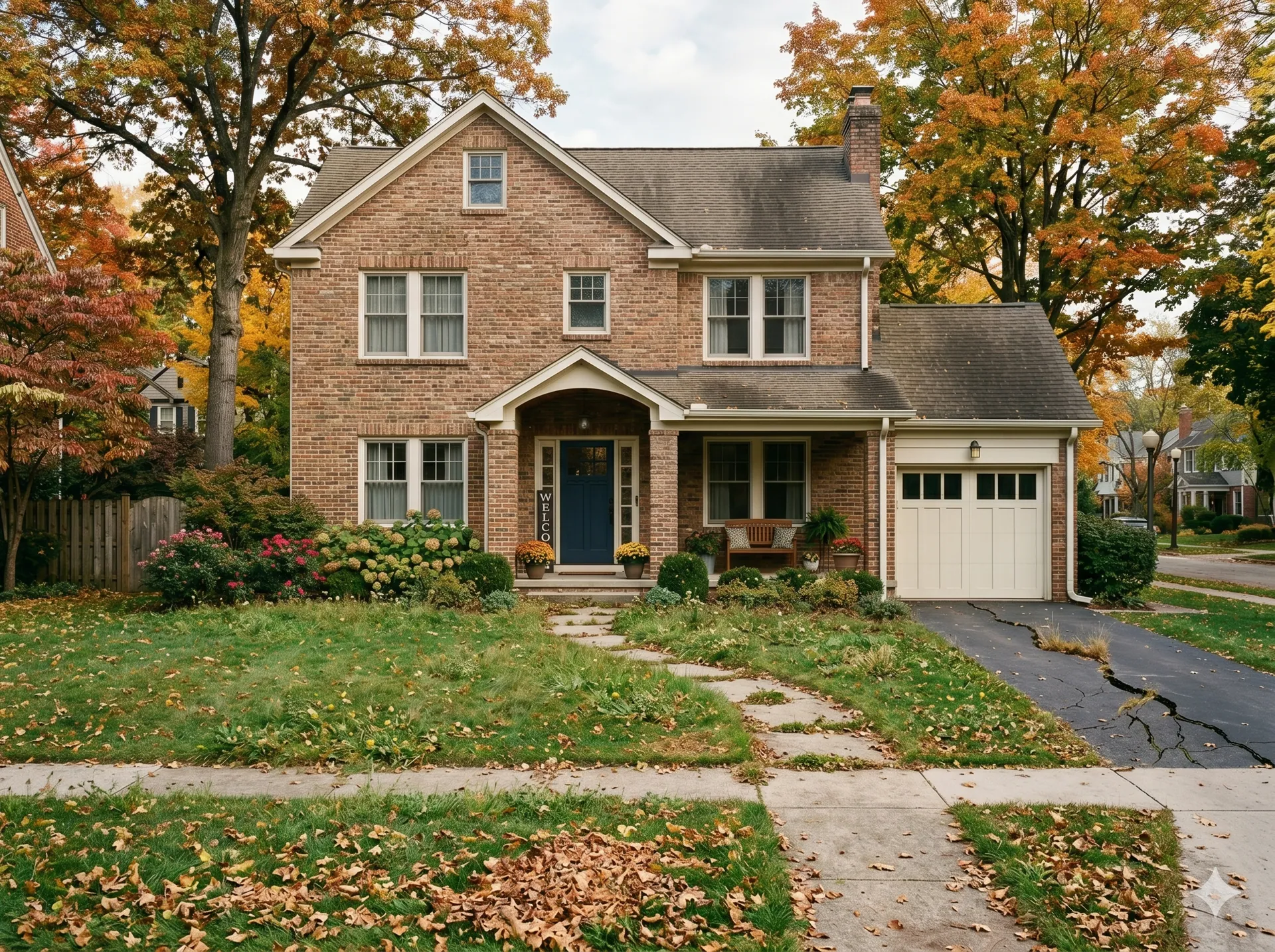 Tue · week 0Site walk · scope signed
Walk the property with the investor. Allowances flagged on the contract, not buried. Number signed before any crew arrives.

§ 03.13Investor + flipper · TX + NE Ohio · Operator-to-operator
For real-estate investors and flippers who have lost margin to a contractor whose number moved. Site walk before the price. Change orders signed before the crew touches anything. A workmanship letter the next owner gets at closing. We won't pad the bid with line items the property doesn't need.
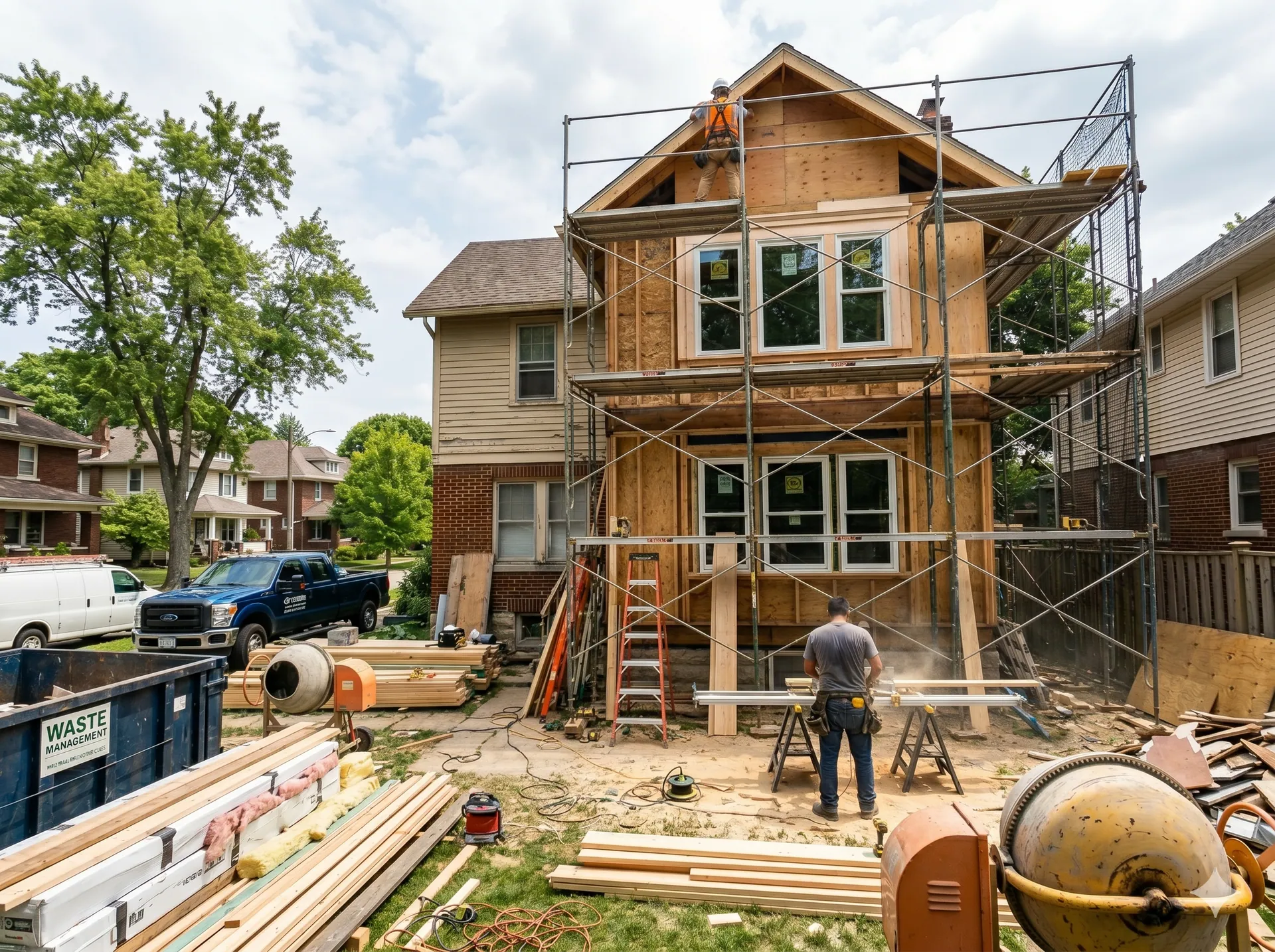
One representative buy-rehab-sell from our investor book. Site walk Tuesday, scope signed Friday, crew on-site Monday — fourteen weeks to listing-ready. Below: what got replaced, what got kept, and what shipped to the listing agent the day we closed it out.
Tue · week 0Site walk · scope signedWalk the property with the investor. Allowances flagged on the contract, not buried. Number signed before any crew arrives.
Weeks 1 – 12Parallel zonesMechanical, electrical, plumbing run as overlapping zones. Monday PM email lands every week with photos, schedule status, and the open change-order list — same format capital partners read.
 Week 14Listing-ready · PDF out
Photo set, scope of work, materials list, permits, inspections, and a workmanship letter rewritten in the next-owner’s name — emailed to the listing agent the day of substantial completion.
Surprise billing is what makes a flip lose money on the back end. Every dollar past the original bid is a documented and signed change order, priced before the crew touches it. Four rules below — same on every investor engagement.
A senior estimator walks the property with you, takes field measurements, and writes scope line by line — drywall feet, electrical points, square feet of paint, flooring transitions. The bid is a contract, not a placeholder.
Material substitution, hidden condition, scope addition — written, priced, and signed in advance. No end-of-job invoice surfaces a number nobody saw coming. Two on a typical 14-week run, both routed through email and signed within 24 hours.
Tile, fixtures, paint, finish hardware — owner-selected items run on transparent per-unit allowances printed on the contract. Spec above the allowance and the math is in front of you that day, not at invoice time.
Rough-in signed off, drywall hung, finishes complete, final punch — that is the draw schedule. Calendar-day draws on a flip become a problem the moment the schedule slips. Milestone draws stay aligned with the work.
On a 14-week rehab, a sub-heavy GC stacks trades end to end and waits. We run mechanical, electrical, plumbing, drywall, and finishes as overlapping zones — same scope, three weeks of carry off the back. Meter below is the math.
A workmanship warranty tied to the original payor is a marketing line. The closing file we ship — a single PDF, six chapters — is what makes the resale cleaner. Listed in disclosures, copied into the buyer-side packet, worth real money to the next owner.
Yes. The labor warranty transfers with a notification letter to us at closing — we rewrite it in the next owner’s name. No fee.
Manufacturer-by-manufacturer. Some transfer automatically, some require a written transfer within a window after closing, some carry a one-time fee. The closeout PDF lists the rule for each product.
That is what it is built for. Lender-readable, listing-ready, buyer-side packet straight in.
On a flip, every handoff is a delay. Most of the work is in-house — same crews, same project manager, same warranty letter. The two trades we sub are mechanical and flooring, both on standing rate cards so the schedule does not chase a quote.
Note for homeowners. This page is for investors and flippers. If you are a homeowner, the remodeling hub at /services/remodeling is the right entry point — we do not run homeowner conversations through this surface.
§ 12Continue the manual — related to this page

§ 01.08Roofing
One day on the roof. Twelve lines in writing.
Tear-off, no overlay. Twelve-line written spec on every contract. Balanced ventilation measured before bid. 25-year transferable workmanship warranty. Both states.
Read →
§ 03.06Remodeling
Six trades on one schedule.
Painting, siding, stucco, rotted-wood repair, windows, exterior trim — sequenced under one PM with one phone number. Same scope discipline that ships our pre-listings and investor programs.
Read →
§ 03.01Remodeling
Eleven trades on one schedule.
A ten-week kitchen calendar with a single project manager. Plywood-box cabinetry, six-sided finish, soft-close hardware, integrated appliance spec, stone counter field-templated at week 8.
Read →
§ 04.01Programs
Your storm. Your scope. Your carrier's check.
Fifteen years on the carrier side. Documented loss, written scope, adjuster meeting on-site. Out-of-pocket: deductible only.
Read →§ 04.02Programs
One PM, one number, listing-day packet.
A pre-listing partner that owns the whole exterior. Walk-through on the agent's cadence, written scope, listing-day packet (before/after photos, materials, permits, warranty letter) handed off in time for MLS.
Read →§ 06Reach the project-manager desk
Phone-first. We will run the site walk, scope the work line by line, and email a contract-ready bid before the end of the week. No upsell, no scope creep — we won't pad the bid with line items the property doesn't need. Operators do not fill long forms — the number above goes to a project manager.
(214) 578-9961