
§ 01.06Roof inspection — TX + OH
Get the roof read before someone else writes the bill.
Seven checkpoints, photographed and labeled. A written PDF inside 24 hours — with severity 1–5 on each finding and the scope language in plain English. We won't turn the report into a sales call.
Seven checkpoints. One question per stop. One failure each catches.
Most second-opinion calls start the same way: a homeowner heard something costs $20,000 and isn’t sure why. The walk below is the one our senior estimators run on every roof. It takes about ninety minutes. We share the question we’re asking at each stop, the tell we’re looking for, and the failure mode it catches — so when the inspector hands you the report, you already know what they were thinking.
- Curb readIs the roof sitting square, or is the ridge waving?A ridge that dips between rafters reads as deck swelling — usually a moisture path, not a shingle problem.Patching shingles where the deck is the leak.
- Ground walkWhere are the gutters running, and where are they rotted?Stains under the gutter line trace where the kickout flashing (the 90° tab at the end of a wall-meets-roof line) is missing or sealed shut.Replacing gutters that are working — and ignoring a flashing the shingles hide.
- Ladder approachDoes the eave feel firm, or does it sponge under weight?Soft fascia (the trim board behind the gutter) means the deck behind it has been wet for years, not days.Not catching this before tear-off — and bidding the wood blind.
- Ridge fieldHow are the granules sitting on the shingle face?Bare spots in lines mean foot-traffic damage. Round bare spots with bruising mean hail. Pattern decides whether this is a claim or a wear issue.Pricing a hail tear-off when the field is normal age-out.
- Valleys + flashingsAre the valleys clean, and are the pipe boots cracked?A neoprene boot collar splits in eight to twelve years on Texas sun; a step-flash gap at a chimney shoulder leaks long before any shingle does.Re-roofing because of a $40 boot.
- Attic deck (from below)Where does the deck show daylight, staining, or moisture?A moisture-meter read above 18% on the rafters — or visible black streaks at a vent termination — tells you the leak path before it shows on the roof face.Working the wrong elevation because the wet spot upstairs is downstream.
- Soffit + vent terminationIs the bath fan terminating outside, or into the attic?A bath-fan duct dumped into the soffit baffle reads as a roof leak from inside — but the roof is fine. The duct is the problem.Tearing off a roof to fix a $300 ducting error.
Six sample findings, not one of them a tear-off.
This is a spread out of a real inspection report (homeowner detail scrubbed). Each finding is one row: where on the roof, the photo with the issue circled, a severity read on a 1-to-5 bar, and the scope language in plain English. Five of these six get a fix that costs under $300 in parts. The sixth is a roof termination, not a roof. This is the kind of read your report will look like.
Granule loss in lines on the foot-traffic path from chimney to ridge. Uniform aging across remainder of the field.
Recommended scope — Year-15 wear pattern. No tear-off recommended. Re-inspect after the next hailstorm window.
Neoprene collar split at the perimeter. Active staining on the deck below — moisture-meter read 22% at the rafter underneath.
Recommended scope — Replace boot. Reseal and prime the deck patch. ~$185 in parts and labor; not a re-roof trigger.
Step-flash gap at the upslope shoulder. Sealant gone chalky; wind-driven rain path active in the photographs.
Recommended scope — Pull and reset two courses. Counterflash with new sealant. Chimney itself is sound — no rebuild needed.
Closed-cut valley running clean. Minor granule wash at the throat. No backflow signs, no rust at the metal edge.
Recommended scope — Functional. Photograph each season. Flag for next-replacement spec only.
Bath-fan duct dumping into the soffit baffle, not through a roof termination. Active moisture trace on the deck above.
Recommended scope — Reroute to a roof cap. ~$280 in materials. The wet spot upstairs is downstream of THIS — not a roof leak.
Ridge cap shingles seated, no lift. Hip junctions clean. Ridge vent unobstructed from inside.
Recommended scope — No action. Documented for the report archive.
Sample report. Real reports run 12 to 28 findings depending on the roof age, tree-cover, and storm history. Every elevation photographed; every finding gets the row above.
No high-pressure call after. A real PDF inside 24 hours.
- Show up with a sales pitch.
- Tell you it’s totaled when 80% is fine.
- Hand you a "verbal estimate."
- Use scare-tactic photos with no scope context.
- Photograph every elevation, every flagged item.
- Hand you a written PDF with severity 1–5 on each row.
- Translate the trade language inline (no jargon walls).
- Tell you the roof is fine when the roof is fine.
Bring it to your contractor, your adjuster, your buyer’s agent. Or decide nothing yet — the report stays useful for years.
§ 12Continue the manual — related to this page
§ 01.05Roofing
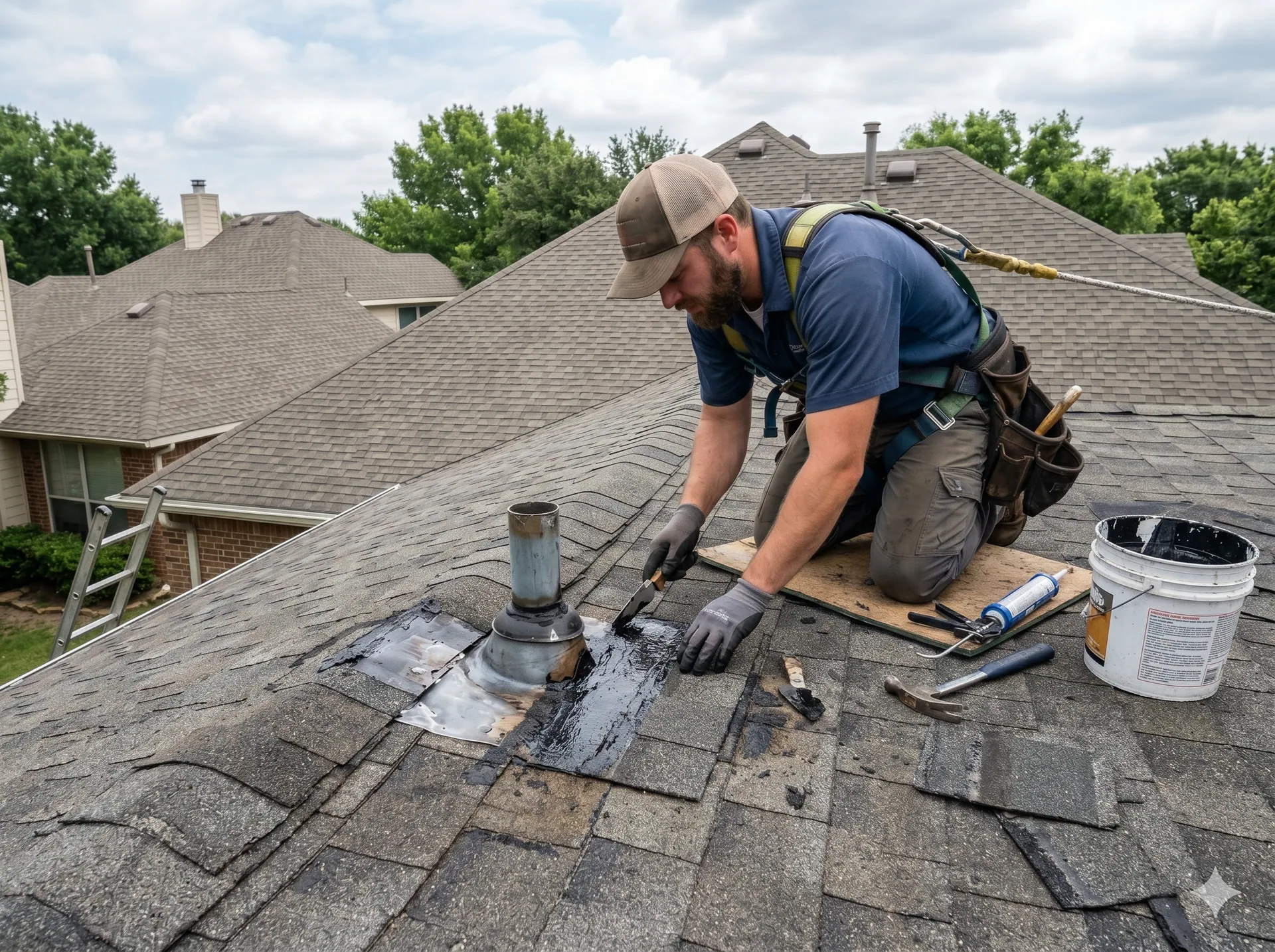
Roof leak diagnostics
The leak shows where water exits, not where it enters.
Trace from the ceiling stain back to the entry — pipe boot, kickout, dead valley, or not the roof at all. The fee credits back to a repair when the repair follows.
Read →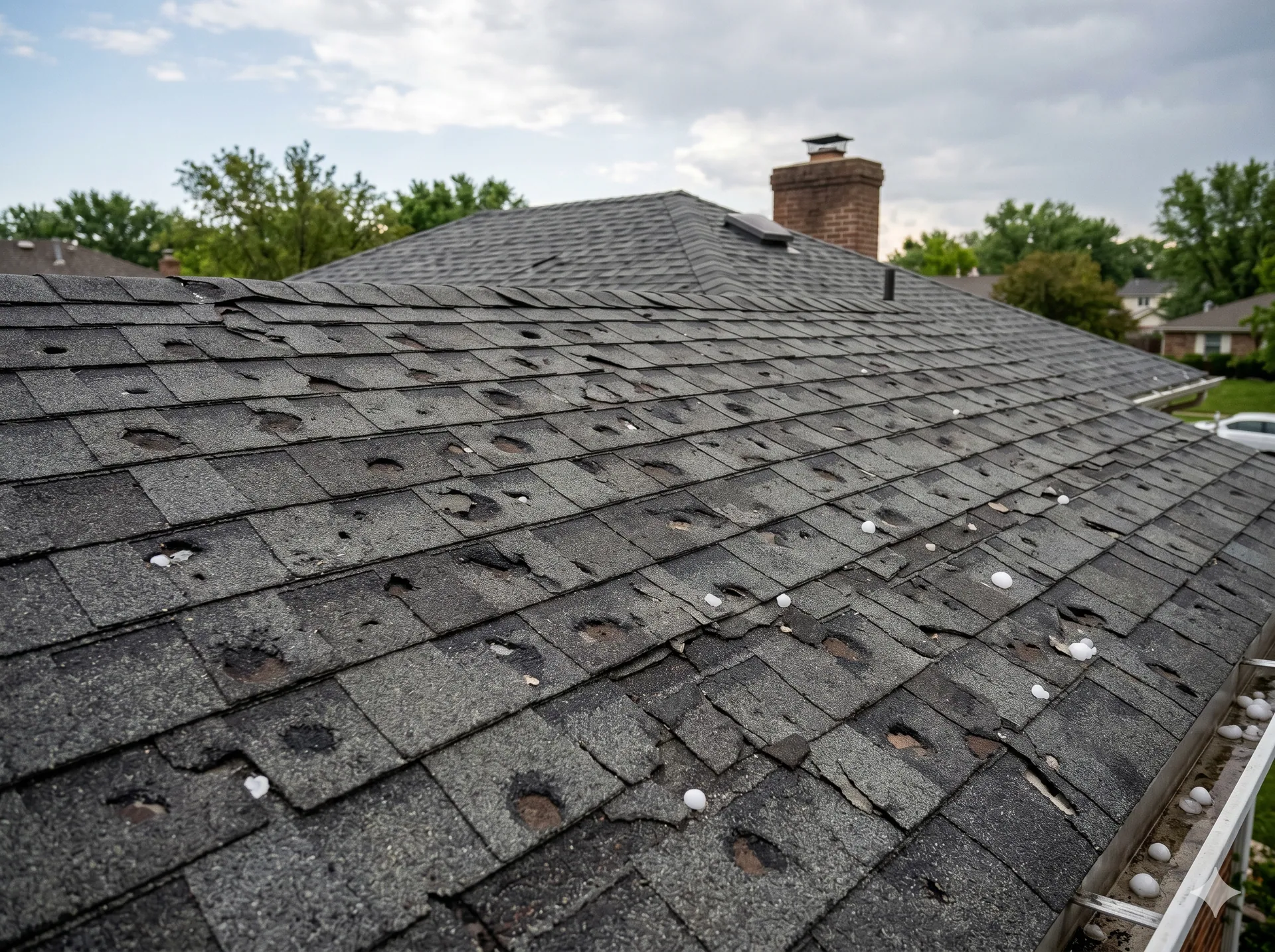
§ 01.04Roofing
Storm-damage roof
Tarp first. Photo second. Walk the roof with the adjuster.
Same-day tarping if water is moving. Drone photo of every elevation. Soft-metal scale shots. We stand on the roof beside the adjuster — not in the parking lot afterward. 24/7 storm line.
Read →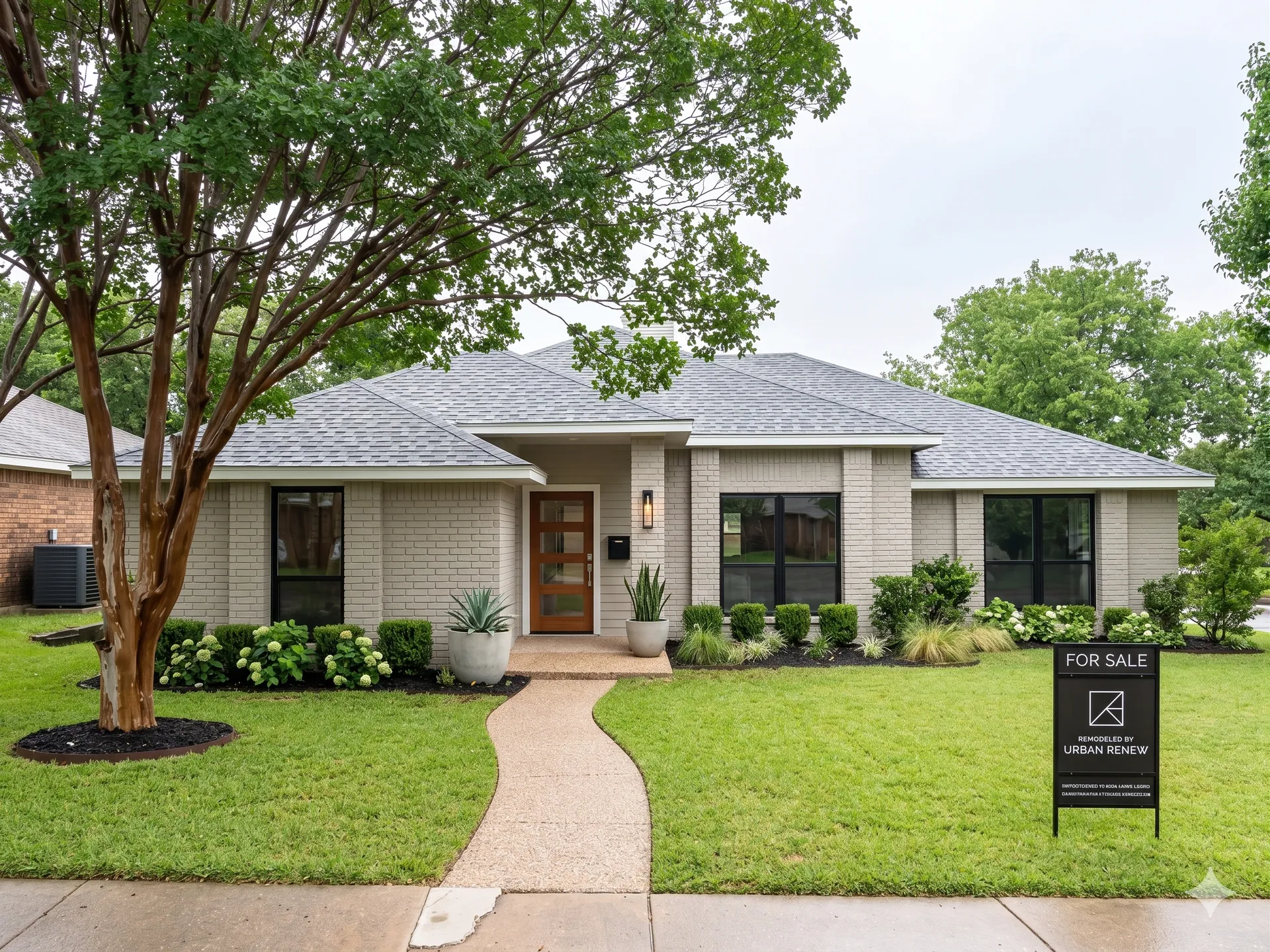
§ 01.07Roofing
Roof repair
Smallest fix that holds. Named band. Named warranty.
We name the cheapest fix before the expensive one. Lead-collared pipe boots (no EPDM in DFW heat). Written scope inside 48 hours. We say so when the right answer is replace, not repair.
Read →
§ 04.01Programs
Insurance claims
Your storm. Your scope. Your carrier's check.
Fifteen years on the carrier side. Documented loss, written scope, adjuster meeting on-site. Out-of-pocket: deductible only.
Read →
§ 04.02Programs
Pre-listings
One PM, one number, listing-day packet.
A pre-listing partner that owns the whole exterior. Walk-through on the agent's cadence, written scope, listing-day packet (before/after photos, materials, permits, warranty letter) handed off in time for MLS.
Read →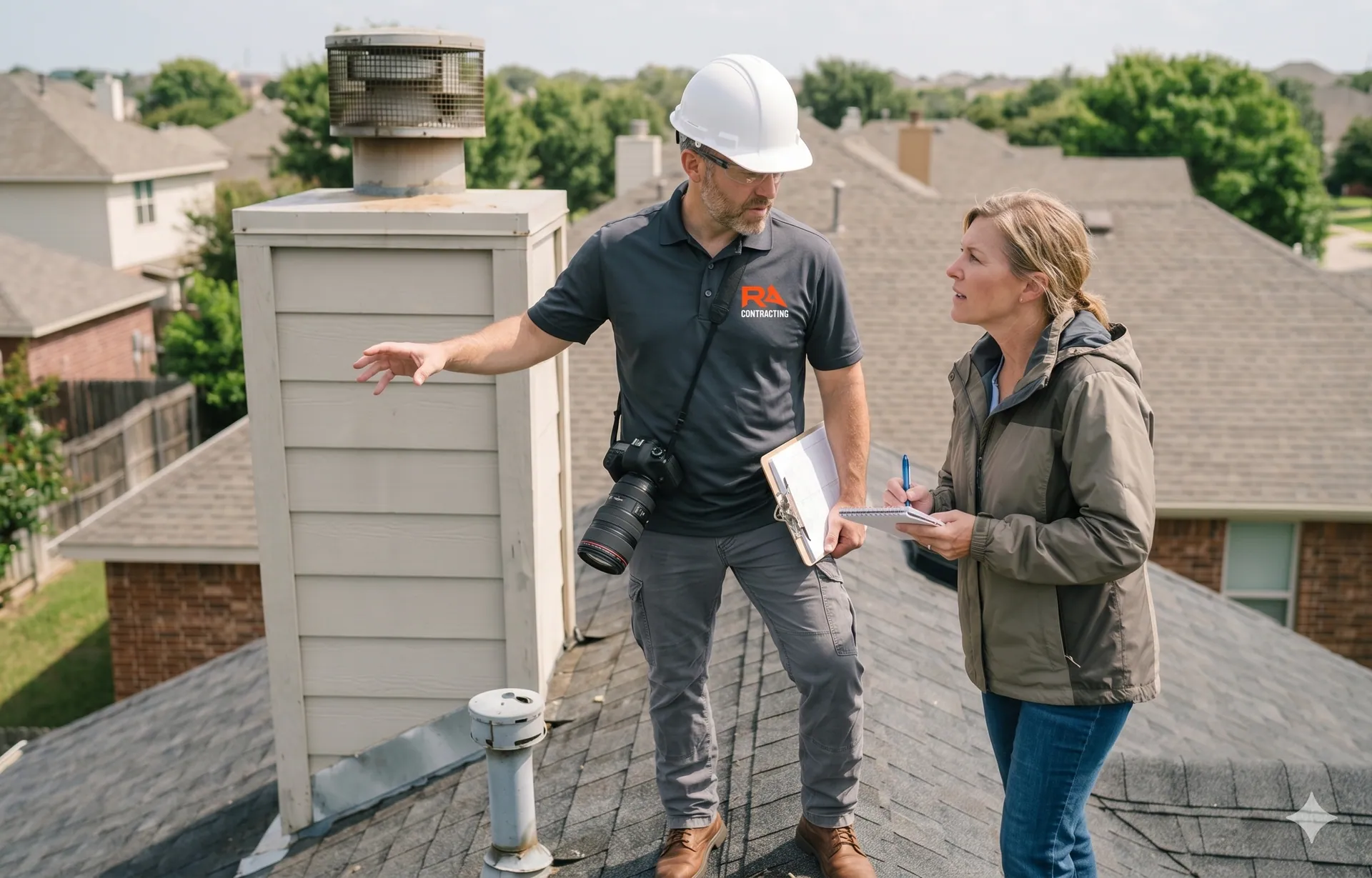
§ 06Reach the dispatch desk
Get the roof read before someone else writes the bill.
A senior estimator on the roof and in the attic. Seven checkpoints, photographed and labeled. A written PDF inside 24 hours. We don't need the work to give you the read. Phone is faster when an adjuster meeting or an option period is on the calendar.
(214) 578-9961