
§ 01.04Storm-damage roof — TX + OH
Tarp first. Photo second. Walk the roof with the adjuster.
Hail or wind hit your roof? We tarp the same day, document every elevation before evidence fades, and stand on the roof beside the adjuster. We won't bury your deductible in a fake discount line.
Match what you see on your roof to what an adjuster looks for.
Most homeowners can't tell hail damage from age. Six damage types account for almost every storm claim we see. Match yours, then tell us what you noticed.
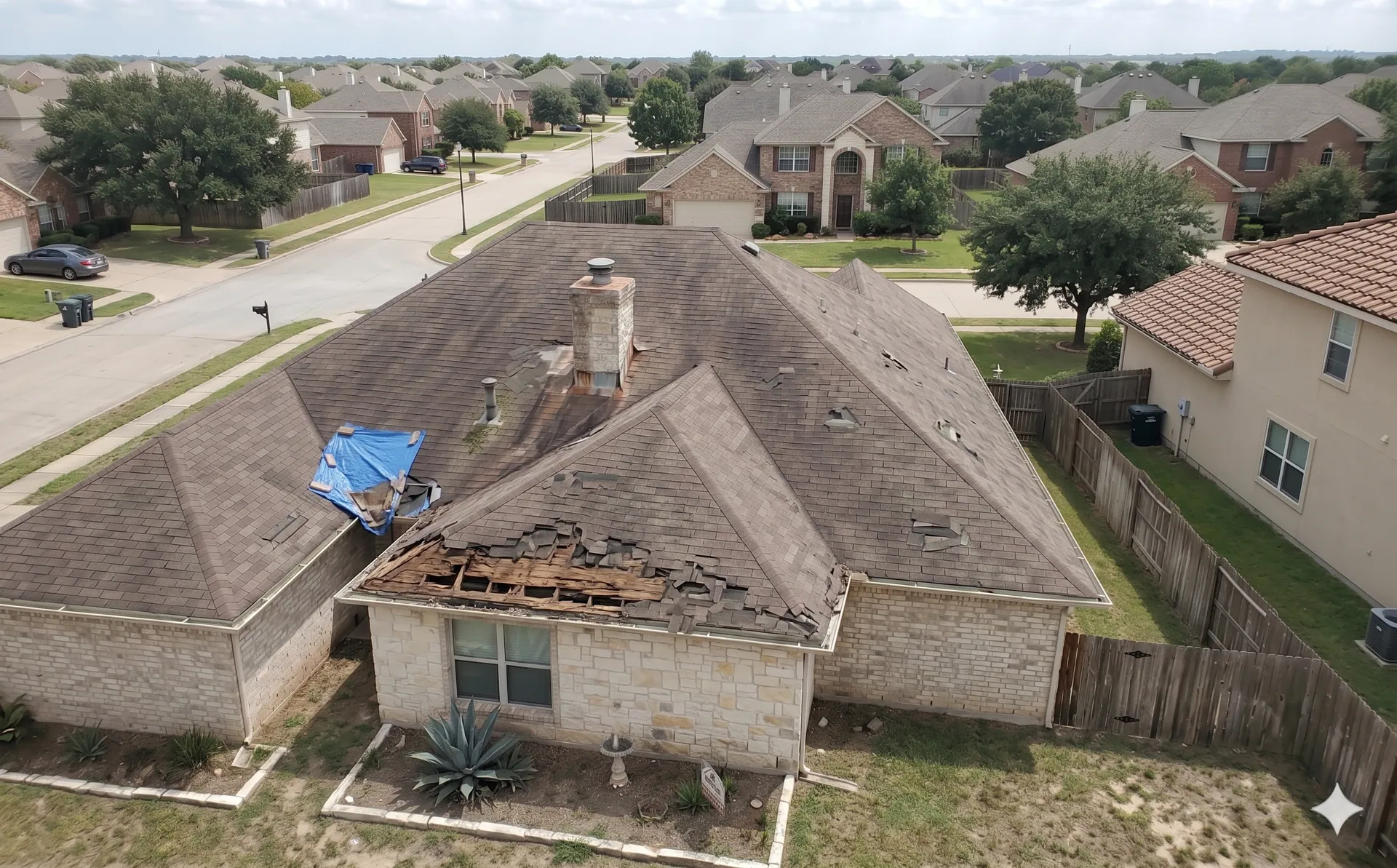 Hail · soft strike
Round bruise, no granule loss yet — but the matt is breaking down.
- The giveaway
- A circle the size of a quarter where granules are darker and slightly compressed. Run your finger over it: the surface dips. The shingle has lost its waterproof seal even when nothing has cracked.
- What the adjuster looks for
- Ten matched bruises in a 10-by-10-foot test square is the working line most carriers use to call out a slope. We chalk the test square so the count is on the photograph.
The carrier pays. You pay the deductible. Know the number.
Before the carrier writes a dollar to your contractor, the policy says you owe the deductible. The deductible is often not the flat number on page one of your dec page. It can be a percentage of the dwelling line, a separate wind/hail rider, or a named-storm trigger. The math below is for a typical roof. Bring your dec page and we will do yours.
Texas wind-and-hail deductibles are increasingly written as a percentage of the dwelling-coverage line, not a flat dollar figure. Filing a weather claim cannot raise your rate by state law. The deductible you owe is set by your policy, not by the contractor. Anyone offering to waive the deductible is asking you to commit insurance fraud.
Not legal or financial advice. The figures above describe common deductible structures in Texas and Ohio homeowners policies; specific terms depend on your carrier, policy form, and date of loss. Ask us to read your dec page with you — no obligation.
Eight to twelve weeks, from the storm date to the final check.
The biggest difference between a storm-damage job that closes in two months and one that drags on for six is documentation discipline. We aim to keep yours moving on the schedule below.
- 01Day 0Storm hitsTarp the active intrusion that day. Document the date of loss before anything moves.
- 02Day 1–3Claim filedCarrier opens the file and assigns a claim number. Date of loss locks the filing window.TX statute: 1 yr to file. OH contractual: 1 yr typical.
- 03Day 4–14Adjuster on-siteWe meet the adjuster at the house and walk every elevation together — same software, same price list.OH regulation: carrier acknowledges in 21 days.
- 04Day 14–28Scope agreedLine-itemized scope-of-loss is reconciled. Approved scope returns from the carrier with payment schedule.
- 05Day 21–60InstallMaterial drop, crew on-site, tear-off, deck, underlayment, install, ridge, clean-up. Hidden damage filed under the same claim — no new deductible.
- 06Day 60–90Close-outFinal supplement filed. Depreciation released. 25-year workmanship warranty in the closing folder. Job closed with the carrier.Average storm-damage close: 8–12 weeks end-to-end.
§ 12Continue the manual — related to this page

§ 04.01Programs
Insurance claims
Your storm. Your scope. Your carrier's check.
Fifteen years on the carrier side. Documented loss, written scope, adjuster meeting on-site. Out-of-pocket: deductible only.
Read →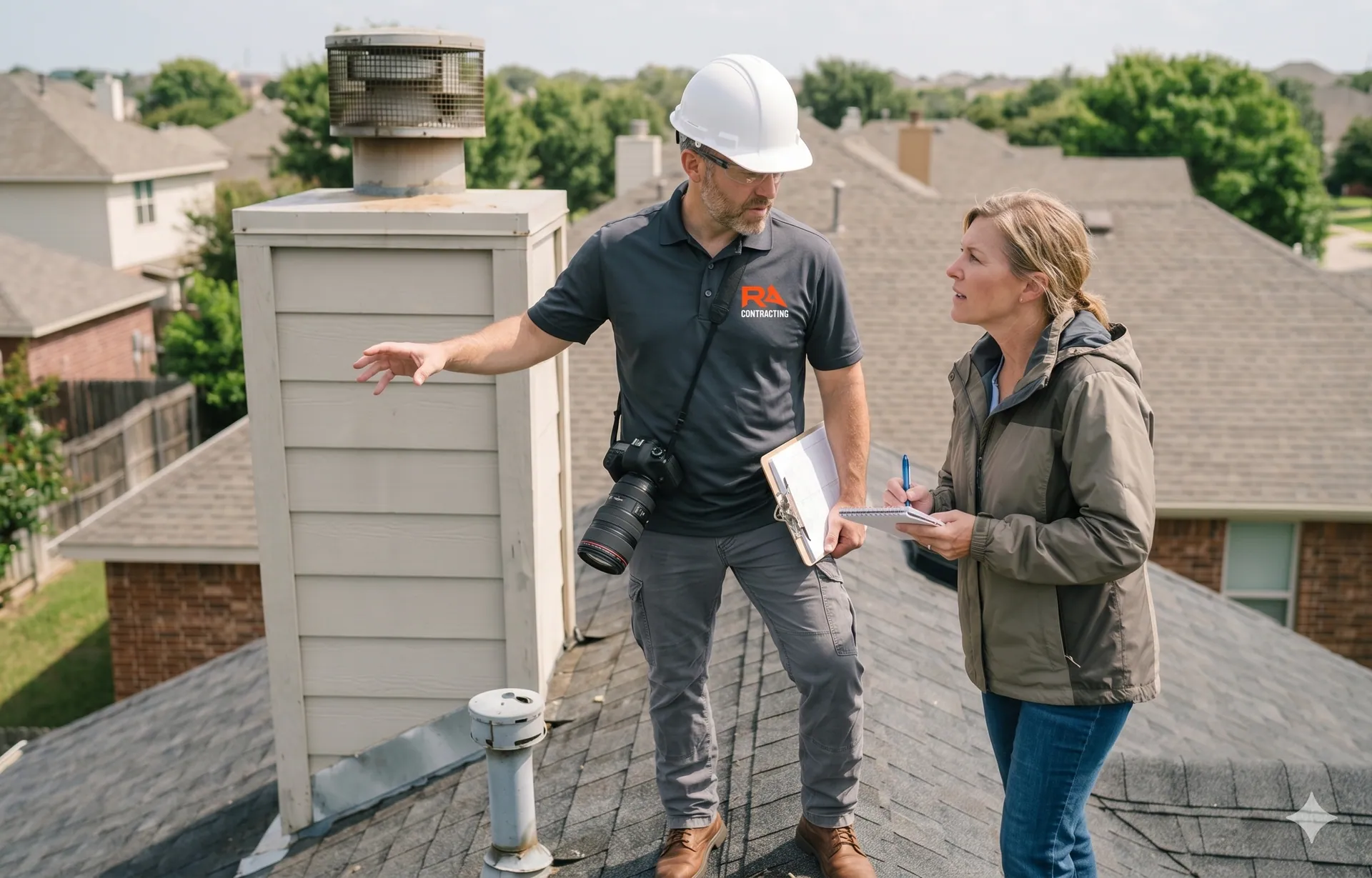
§ 01.06Roofing
Roof inspection
A second opinion you can audit.
Seven-checkpoint walk, photos with the report, severity 1–5 on each finding, plain-language scope. Written PDF inside 24 hours. We won't turn the report into a sales call.
Read →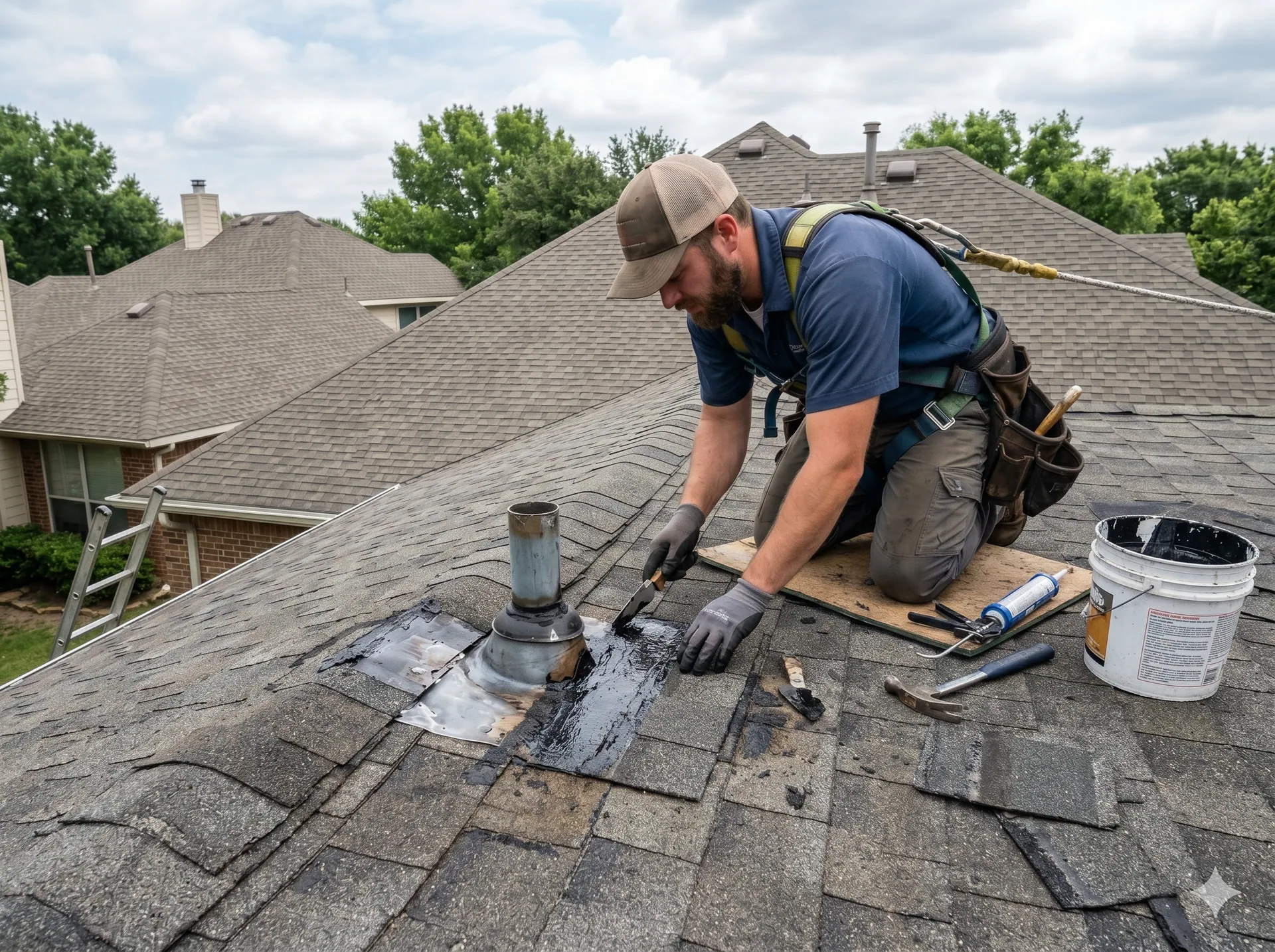
§ 01.05Roofing
Roof leak diagnostics
The leak shows where water exits, not where it enters.
Trace from the ceiling stain back to the entry — pipe boot, kickout, dead valley, or not the roof at all. The fee credits back to a repair when the repair follows.
Read →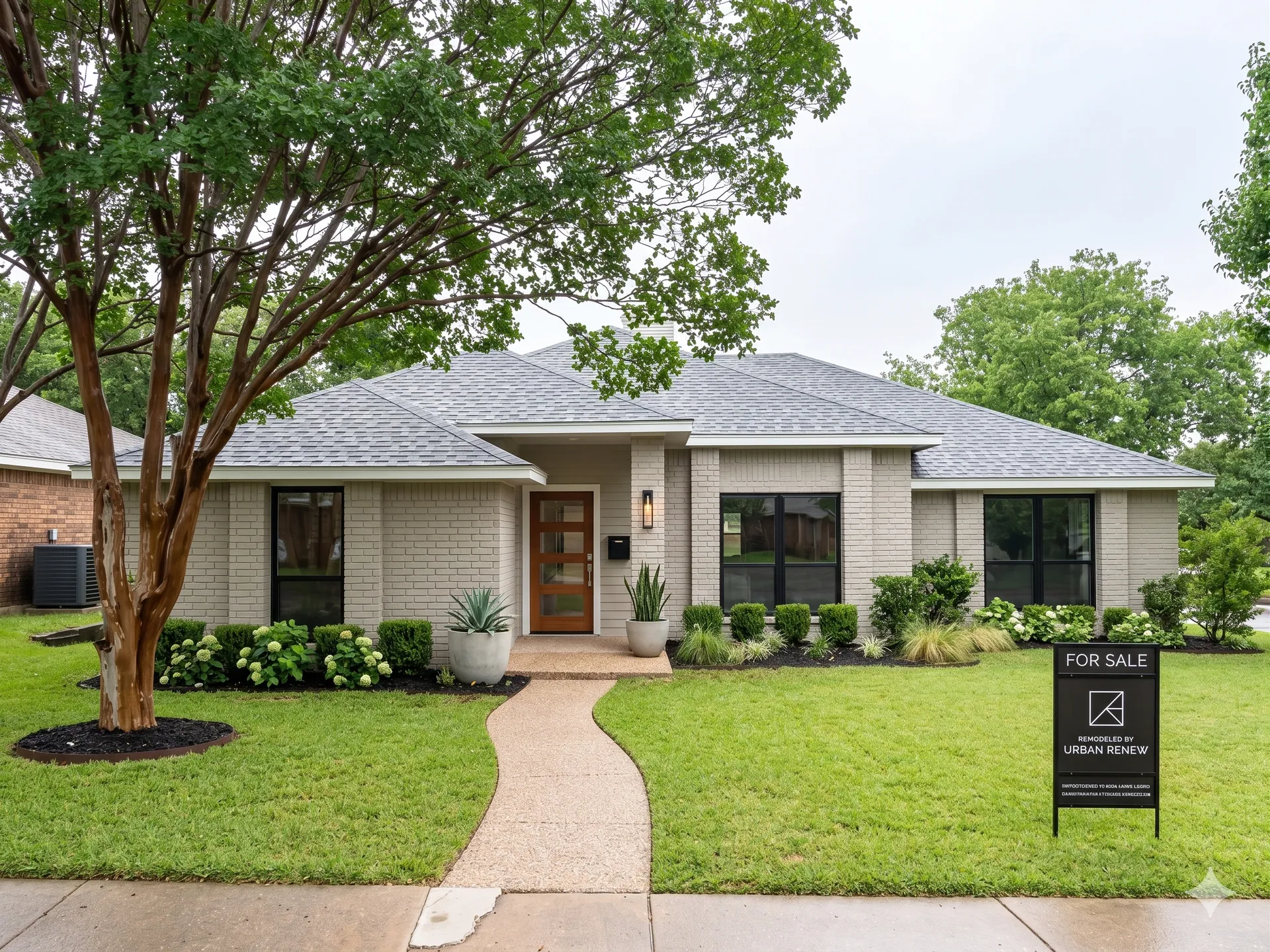
§ 01.07Roofing
Roof repair
Smallest fix that holds. Named band. Named warranty.
We name the cheapest fix before the expensive one. Lead-collared pipe boots (no EPDM in DFW heat). Written scope inside 48 hours. We say so when the right answer is replace, not repair.
Read →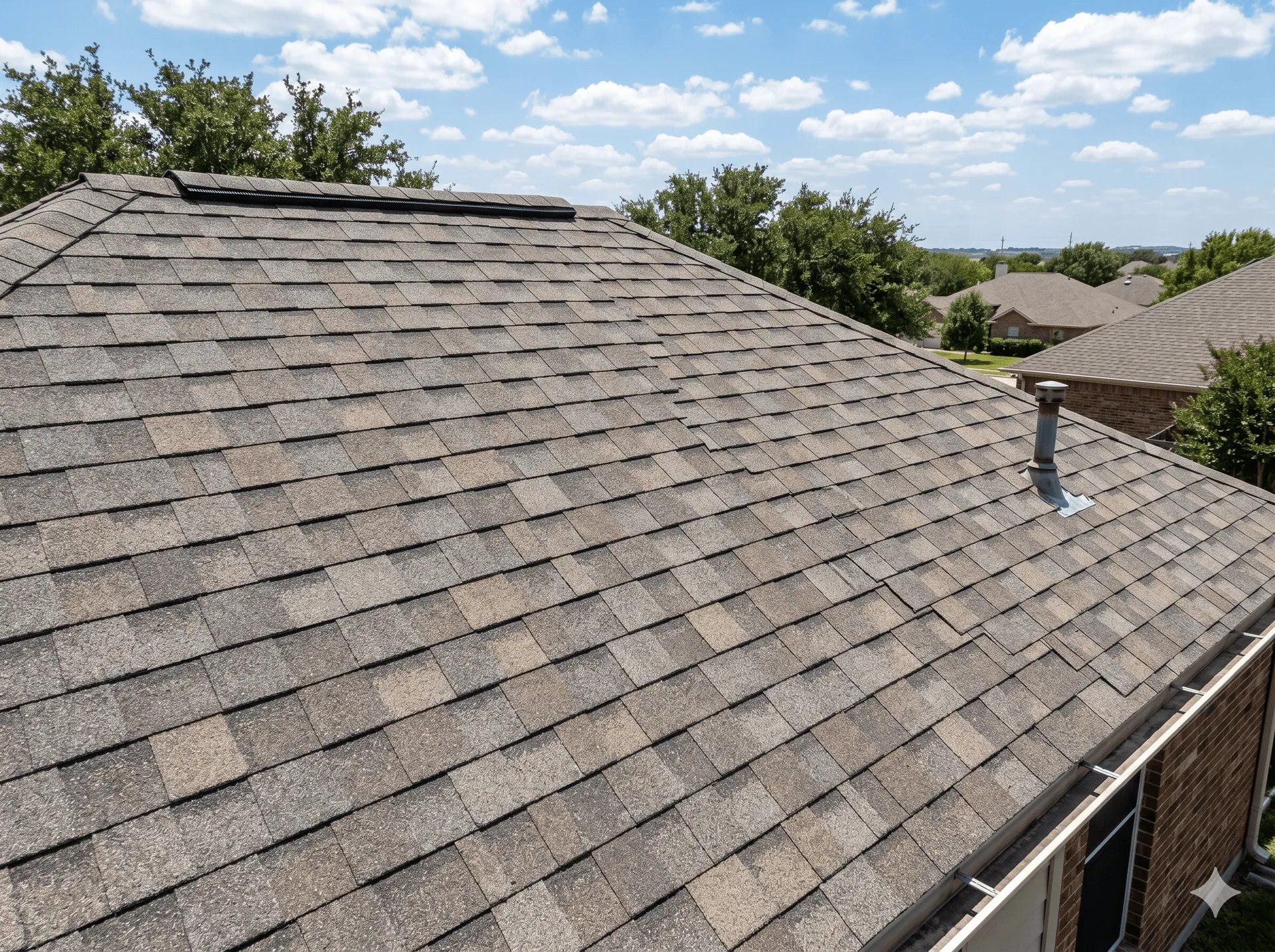
§ 01.08Roofing
Roof replacement
One day on the roof. Twelve lines in writing.
Tear-off, no overlay. Twelve-line written spec on every contract. Balanced ventilation measured before bid. 25-year transferable workmanship warranty. Both states.
Read →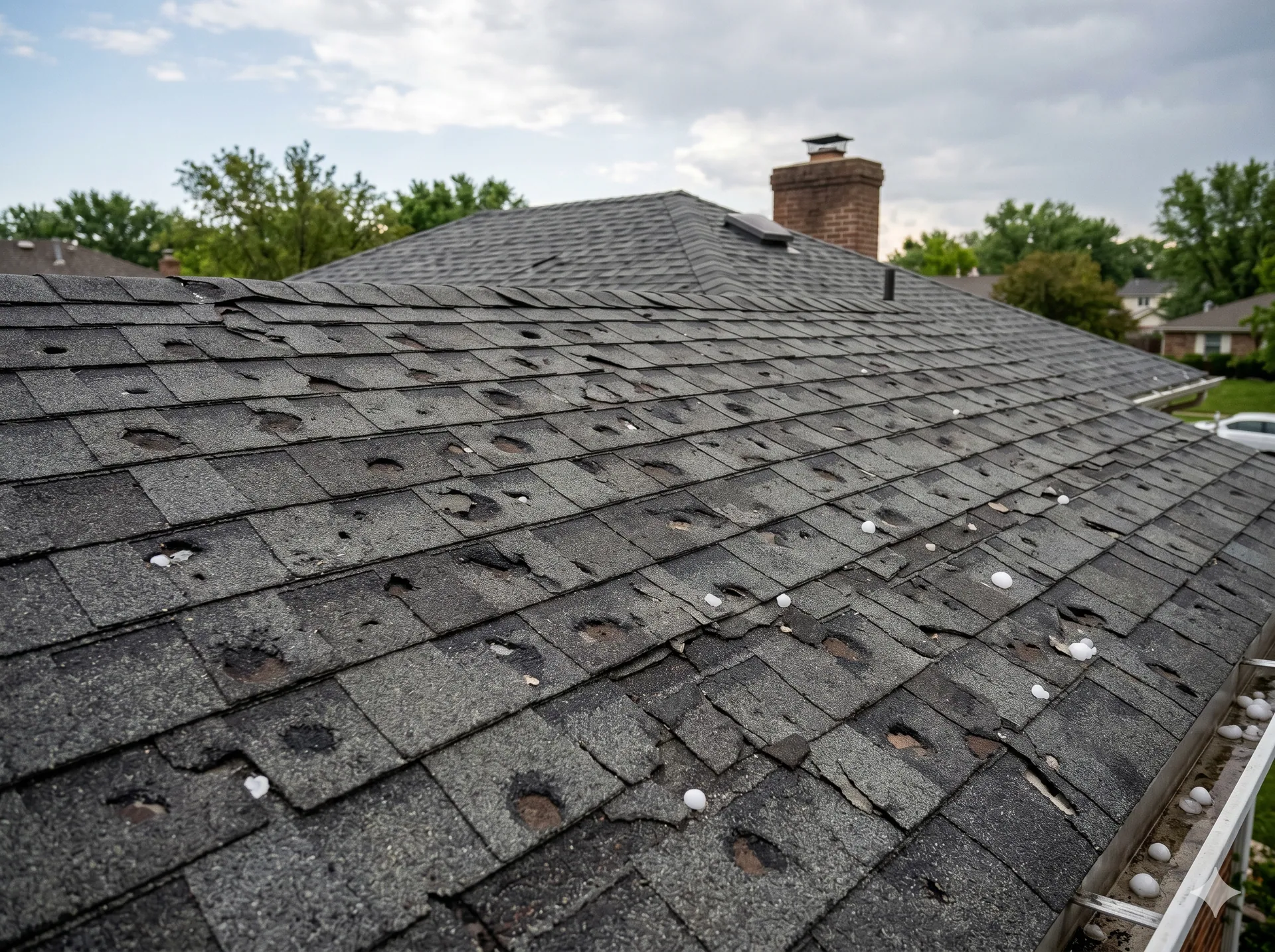
§ 06Reach the dispatch desk
Every day after a storm, evidence fades.
Free walk — drone every elevation, attic check with moisture meter, soft-metal scale shots, and a line-itemized scope of repair if a claim is warranted. No upfront cost. If water is moving right now, call the 24/7 storm line first. The walk follows.
(214) 578-9961